
Understanding the Logistics of Hazardous Materials: A Guide for Global Distributors
Introduction to Hazardous Materials Logistics
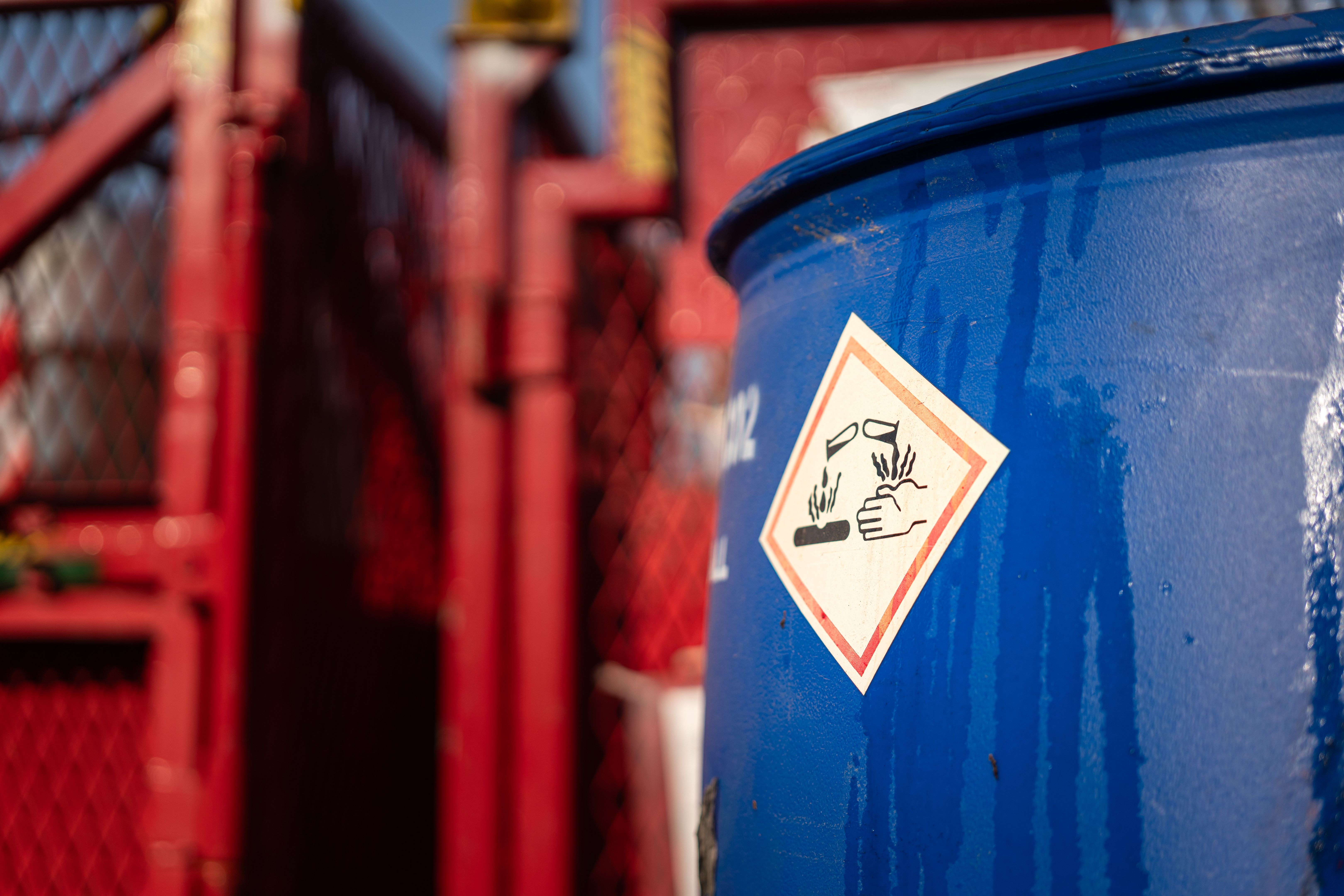
The logistics of hazardous materials is a critical aspect of global distribution that requires meticulous planning and execution. These materials, often flammable, toxic, or corrosive, demand specialized handling to ensure safety and compliance with international regulations.
Understanding Regulatory Compliance
Compliance with regulations is paramount in the logistics of hazardous materials. Distributors must adhere to guidelines set by organizations such as the International Air Transport Association (IATA) and the International Maritime Organization (IMO). These regulations ensure that hazardous materials are transported safely and securely, minimizing risks to people and the environment.
Classification of Hazardous Materials
Hazardous materials are categorized into different classes based on their properties. These include explosives, gases, flammable liquids, and radioactive substances. Proper classification is essential for determining the appropriate handling and transportation methods. Distributors must be well-versed in these classifications to ensure compliance and safety.
Packaging and Labeling Requirements
Proper packaging is crucial for the safe transport of hazardous materials. Packaging must be robust enough to withstand various transportation conditions and prevent leaks or spills. Additionally, accurate labeling is essential to inform handlers and emergency responders about the contents and associated risks.

Transportation Modes and Challenges
Choosing the right mode of transportation is vital when dealing with hazardous materials. Options include air, sea, road, and rail, each with its own set of regulations and challenges. For instance, air transportation requires adherence to strict packaging and labeling standards, while sea transport demands compliance with the International Maritime Dangerous Goods (IMDG) Code.
Safety Measures and Training
Ensuring the safety of personnel involved in the logistics of hazardous materials is a top priority. This involves implementing stringent safety measures and providing comprehensive training to employees. Training should cover the identification, handling, and emergency response procedures related to hazardous materials.
Technological Advancements in Hazardous Materials Logistics
Technology plays a pivotal role in enhancing the efficiency and safety of hazardous materials logistics. Innovations such as real-time tracking systems and automated inventory management help distributors monitor shipments and ensure compliance with regulations.

The Role of Risk Management
Risk management is a fundamental component of hazardous materials logistics. Distributors must conduct thorough risk assessments to identify potential hazards and implement strategies to mitigate them. This proactive approach helps prevent accidents and ensures the smooth operation of global distribution networks.
In conclusion, the logistics of hazardous materials is a complex but manageable process with the right knowledge and resources. By understanding regulations, ensuring proper packaging and labeling, and utilizing technology and risk management strategies, global distributors can transport hazardous materials safely and efficiently.